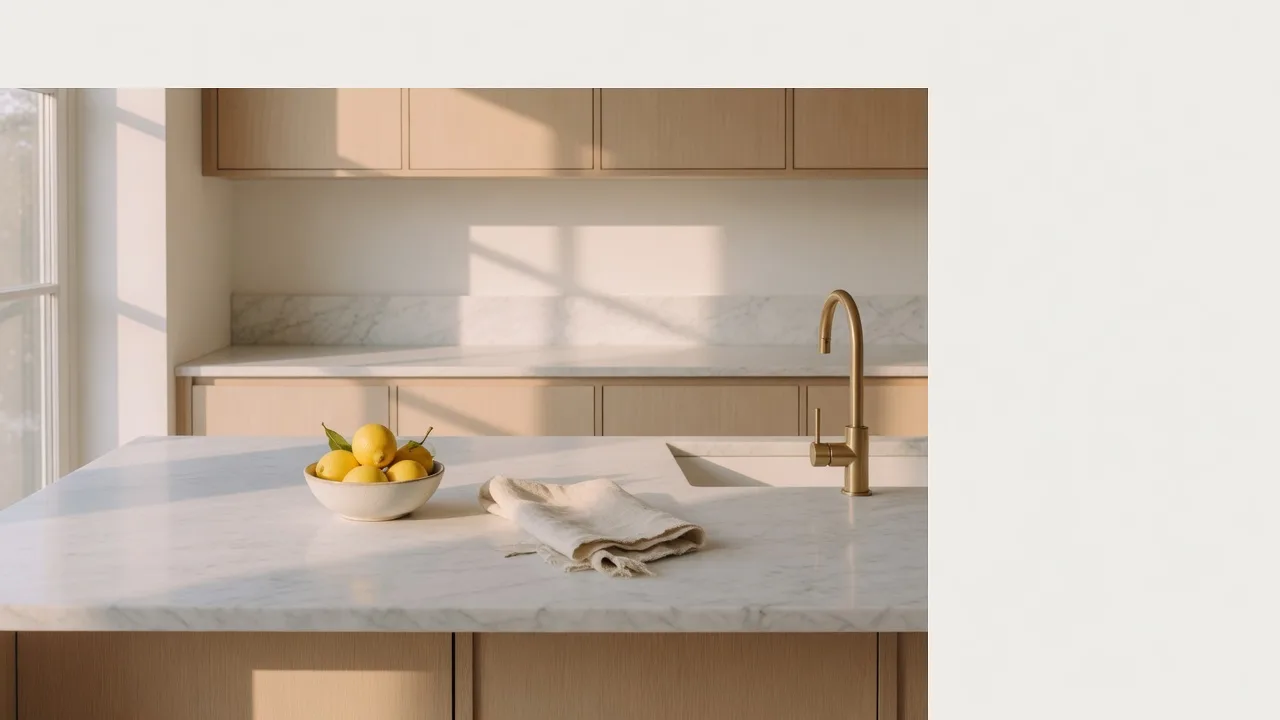
Preparing a home for sale does not require a remodel. It requires a plan, applied room by room. Buyers form their impression quickly, and most of that impression comes from clarity: clean surfaces, light, and space they can picture their own lives in. This checklist is the plan I use with sellers.
Start at the curb
The front of the home is the first and last thing buyers see. Mow, trim, and edge. Wash the front door, replace a tired door mat, and make sure the house number and mailbox are clean and legible. A fresh coat of paint on the door is the single highest-visibility dollar you will spend.
Clear the entry
The entry sets the tone. Clear the shoes, coats, and mail. Make the light fixtures shine and replace any dim bulbs. Touch-up paint on walls that show scuffs, because that is where scuffs will be noticed first.
Simplify the kitchen
Kitchens sell homes, and clutter is their enemy. Clear the counters down to a single small bowl or vase. Clean the appliances inside and out, and align the hardware so the cabinet knobs all match and sit straight. Remove magnets, notes, and photos from the fridge.
Lose the personal in living spaces
Buyers need to imagine their own lives in your rooms, which is hard when they are looking at yours. Store family photographs, awards, and collections you are keeping. Arrange furniture to show the room's flow, and pull it away from the walls a few inches so the space reads larger.
Tame the bedrooms and closets
Bedrooms should read calm and neutral. Make the beds, clear the nightstands, and pack away whatever does not need to be there. Here is the detail buyers notice: they open closets. A closet that looks full reads as a closet that is too small. Pack down to half-full and your storage will suddenly look generous.
Brighten the bathrooms
Re-grout where the grout is failing, replace cracked caulk, and make the fixtures gleam. Put away everything on the counters except a folded towel and maybe one small soap. The goal is a room that looks like a hotel, because that is the standard buyers hold.
Let the light in
Bright homes photograph better and show brighter. Open the curtains for every showing and every photograph. Clean the windows on the main floor and in the rooms that matter most. If a room is dark by design, add a lamp until it is not.
Fix what buyers notice
A dripping faucet, a sticking door, a cracked outlet plate, a burned-out porch light: these are small, cheap, and loud. Buyers see a dozen small defects and wonder what the expensive ones look like. Fix the small ones and the home reads as maintained.
Gather the paperwork
While the house shows, collect the things that close the deal: appliance manuals and warranties, receipts for improvements you have made, and the contact for any contractor you used. A thin, tidy file of records signals a cared-for home and smooths the negotiation.
One line to remember: sell the space, not the stuff. Packing early is the best staging there is. Every box you remove makes the home lighter, brighter, and easier for someone else to imagine living in.