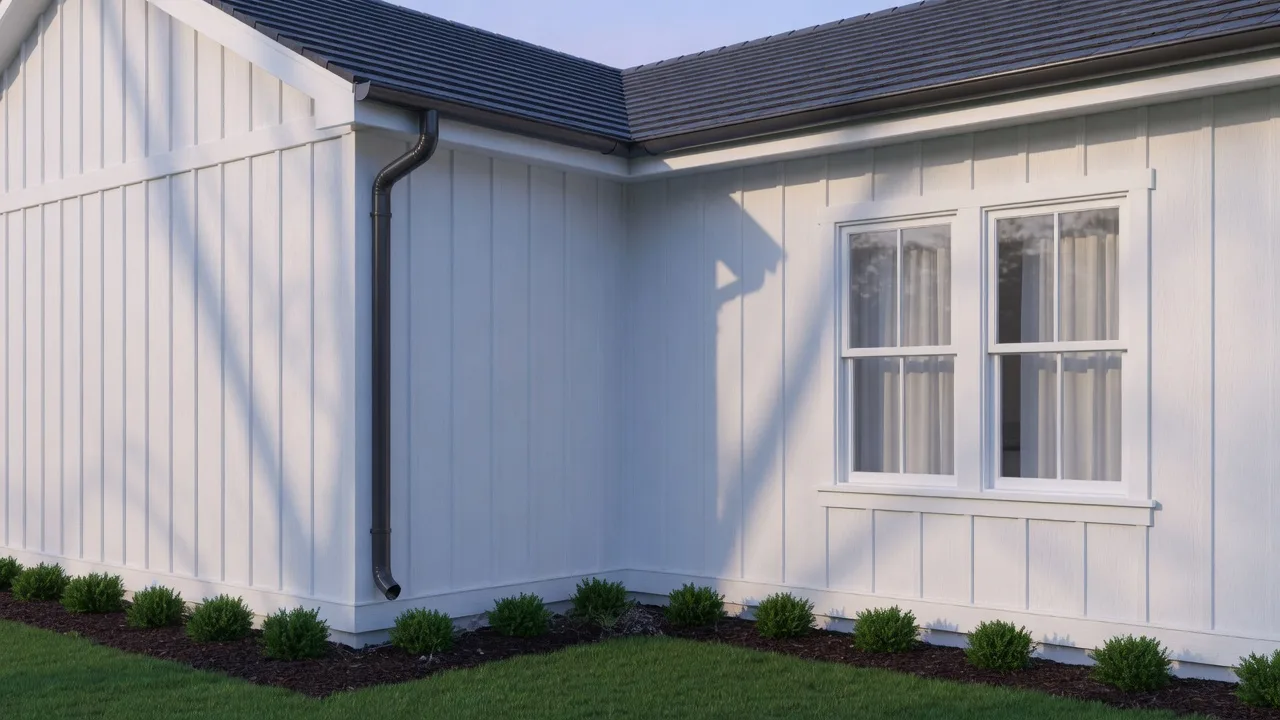
For most buyers, the home inspection is the moment the transaction becomes real: the day a professional walks the house and writes down what is actually there. Done well, an inspection is less a test than a briefing. This note explains what inspectors examine, what reports usually leave out, and how to keep the findings in perspective.
What inspectors examine
A general home inspection is a visual, non-invasive review of the home's major systems and structure. Inspectors typically report on:
- The roof, including flashing, gutters, and visible signs of age or leaks.
- The structure: foundation, framing, and any evidence of movement, settling, or moisture.
- Electrical systems: the panel, visible wiring, and whether outlets and fixtures work and are safe.
- Plumbing: visible pipes, water pressure, drains, water heater age and condition.
- Heating and cooling: furnace, air conditioner, and their approximate age and condition.
- Insulation and ventilation, especially in the attic and crawl spaces.
- Windows and doors: operation, seals, and signs of water intrusion.
- Grading and drainage around the foundation, because water is the most common enemy of a home.
- Visible appliances included with the sale, checked for basic function.
The best inspectors also narrate as they go, so a home feels like a lesson rather than a verdict. Walk with yours if the schedule allows.
What a report usually does not cover
A general inspection is visual, and it is not a warranty. Typical gaps include:
- Cosmetic condition: paint, floors, and finishes are usually noted but not treated as defects.
- Inaccessible areas: anything behind walls, under insulation, or otherwise not visible from the attic, crawl space, or exterior.
- Code compliance: inspectors flag safety concerns, but they do not certify that a home meets every current code.
- Specialized perils: termites and other pests, radon, mold, and asbestos are often separate inspections with their own scope and cost.
- Future performance: a report describes condition on the day of the inspection, not how systems will behave next year.
If any of these matter to you, the right move is a targeted specialist, and it is usually money well spent. Ask your agent which add-ons make sense for the home and the region.
How to read the findings
Every report lists dozens of items, and most of them are minor. Sort them into three buckets before you react:
- Maintenance: inexpensive, expected items like a slow drain or a torn screen. Every home has some.
- Safety: anything involving fire, electrical shock, structural risk, or water intrusion that could cause damage.
- Big-ticket: roof, furnace, water heater, foundation, or major plumbing, where the age and condition carry a real cost.
The report's real value is in the big-ticket bucket. For those items, get a contractor's estimate of remaining life or replacement cost, and let a number replace your anxiety.
Using the report in the deal
A reasonable inspection finding is a negotiating fact, not a weapon. If the report surfaces a significant repair, you can ask the seller to fix it, to credit the closing, or to adjust the price, with the estimate in hand. Most sellers would rather keep the deal moving than re-list the home, so most negotiations land somewhere sensible.
Keep perspective: no home is perfect, and older homes come with older-home lists. The inspection tells you what you are buying, which is exactly what you want to know before you commit. Your agent's job is to interpret the report, triage the findings, and negotiate the outcome, so use them for it.
One line to remember: the inspection is not a pass-fail test. It is a list of facts with a price tag. Read it that way, and it becomes one of the most valuable documents in the entire transaction.